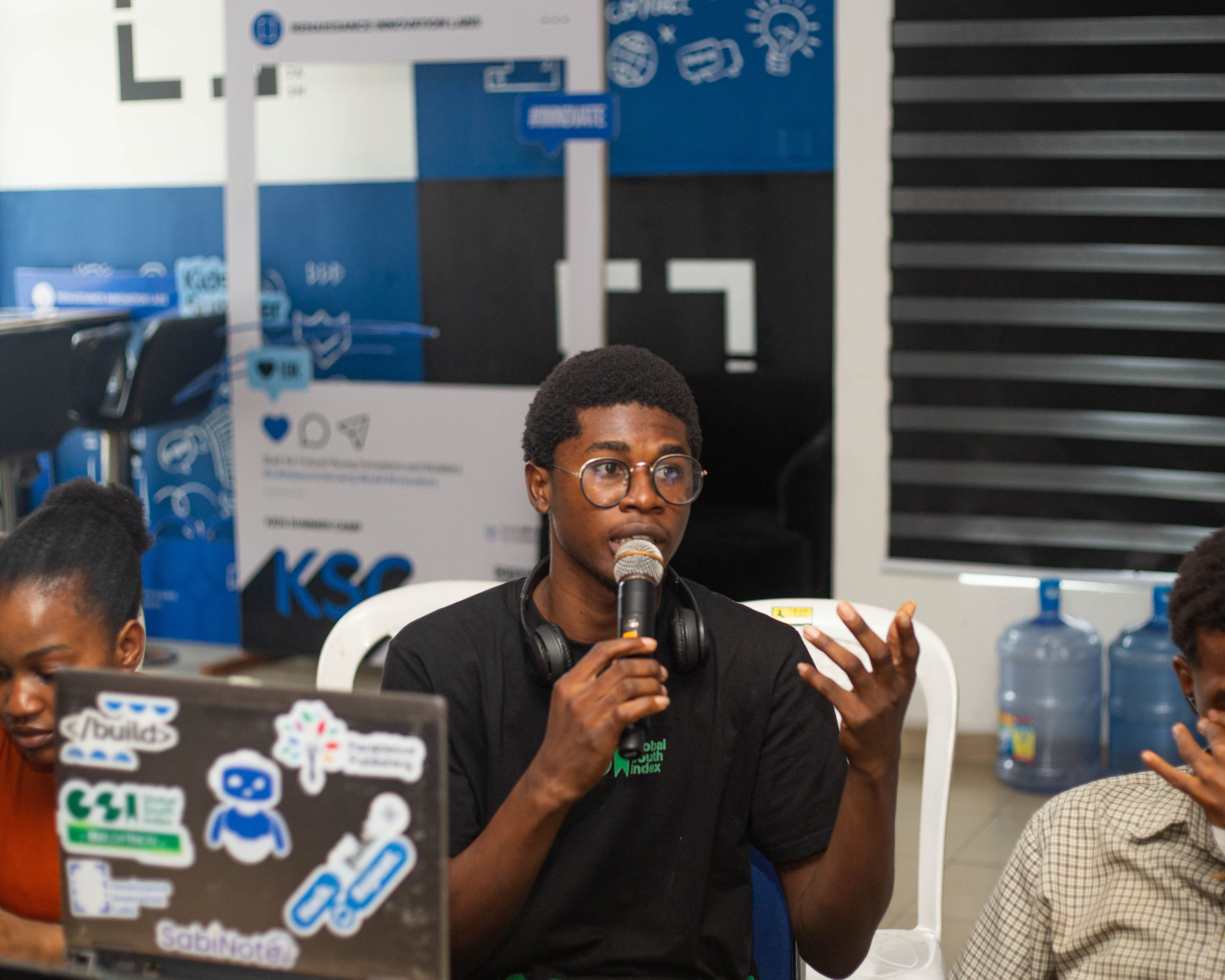
August MIWS Hackathon: Meet the Team Behind StockPilot AI
Building a Smarter Way for Retailers to Manage Stock
Sep 26, 2026·6 min read
 6 min read
What happens when a retailer runs out of a product customers need, or orders too much of something that is not selling?
For many small and medium-sized retailers, managing inventory still depends on notebooks, spreadsheets, memory, and manual calculations. These methods can make it difficult to know what is in stock, what is selling quickly, and when it is time to reorder.
At the August Monthly Innovation Workshop (MIWS), one team set out to tackle this everyday business challenge with an AI-powered solution.
Team 7 emerged as the winning team of the MIWS Hackathon with StockPilot AI, a smart retail inventory and ordering assistant designed to help retailers make better stock and purchasing decisions.
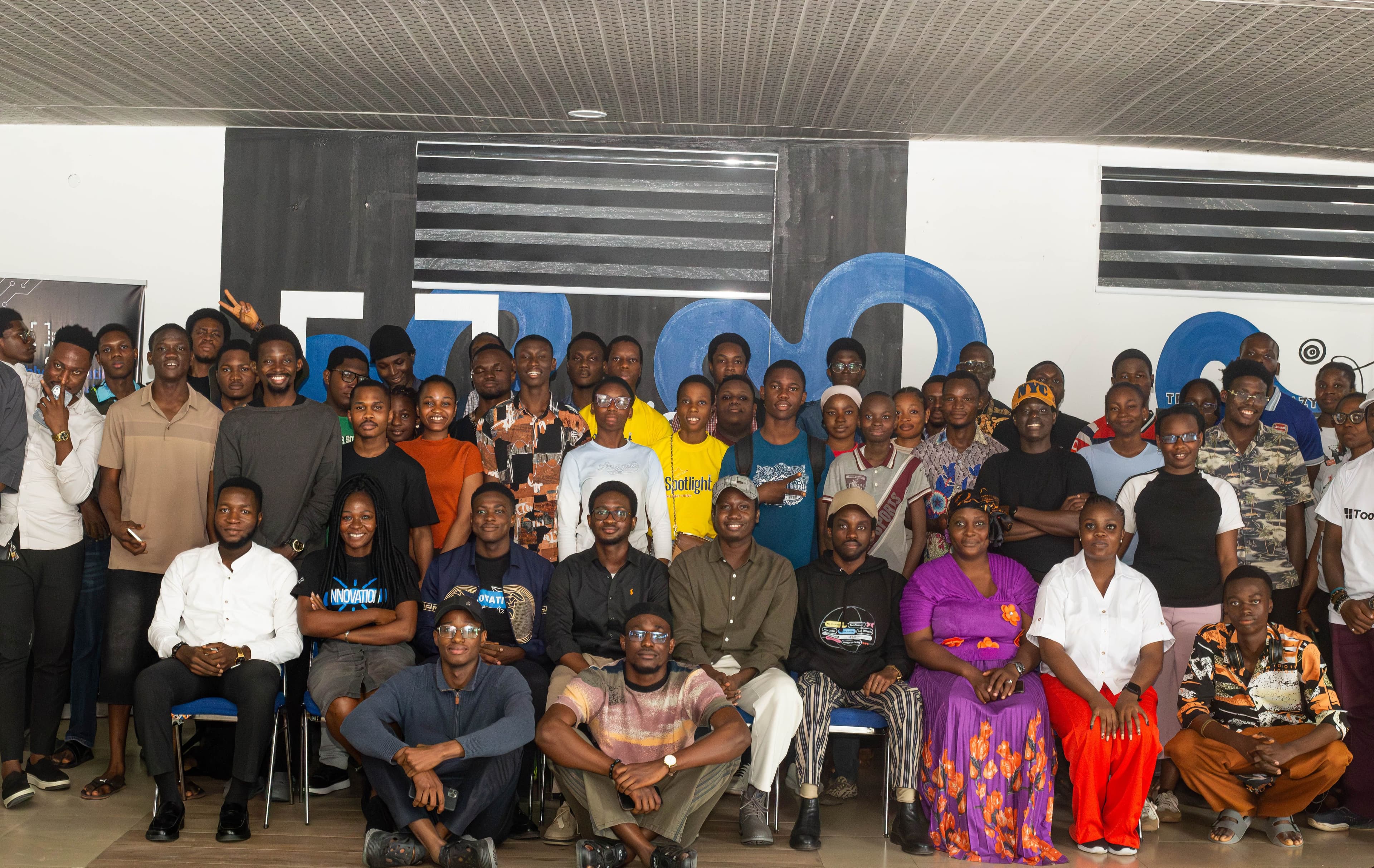
1. Meet the Team Behind StockPilot AI
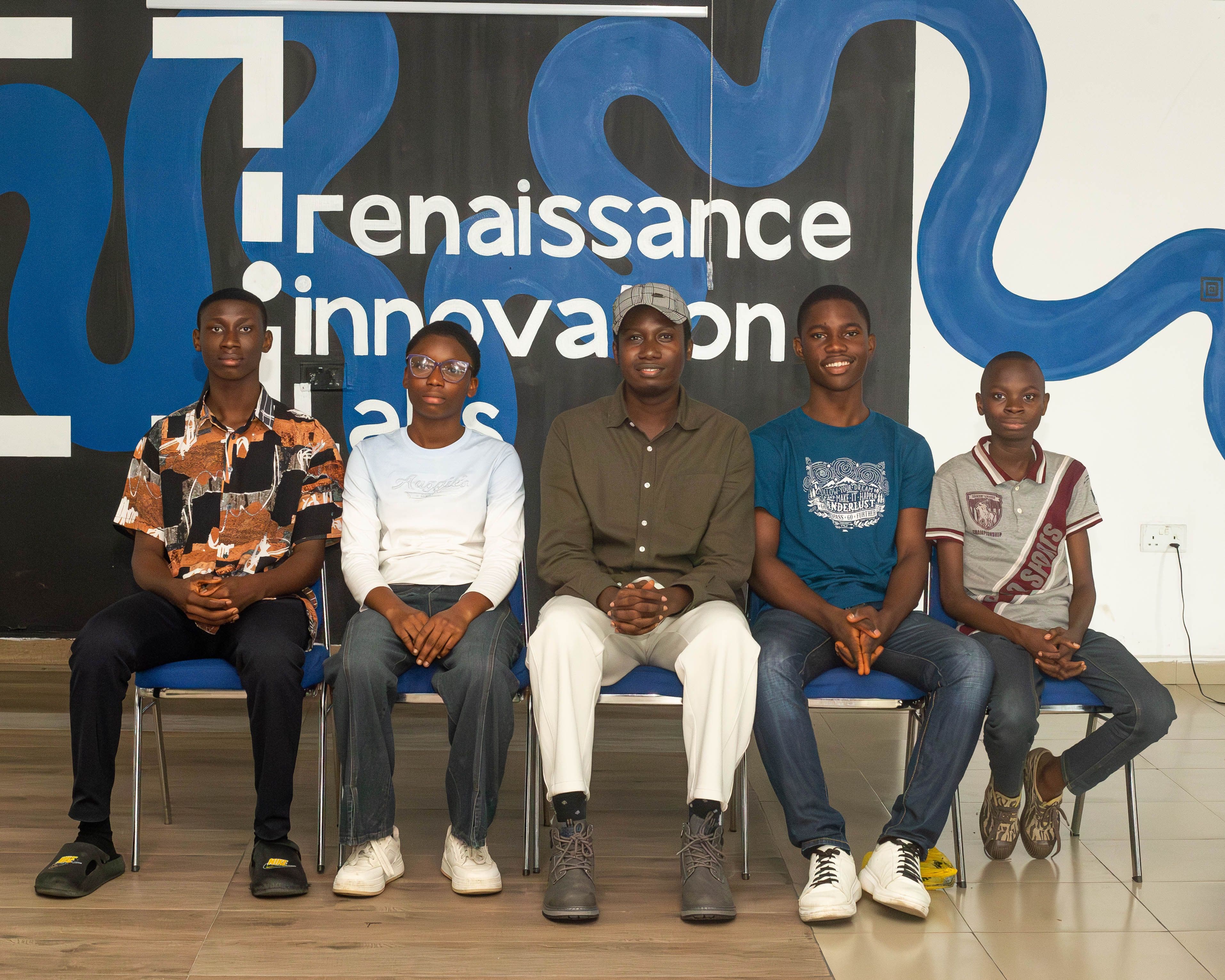
The winning team consisted of:
- Elijah Jehu
- Marvelous Acheseinimie Ibiyeomie
- Peniel Duma Green
- Praise Akpan
- Obiora Ifeanyi
Together, they developed StockPilot AI, combining inventory management, artificial intelligence, and controlled automation into a solution designed around the day-to-day realities of small and medium-sized retailers.
2. The Problem They Set Out to Solve
Inventory management can quickly become complicated for a growing retail business. A retailer needs to know what products are available, which products are moving quickly, what needs to be reordered, and how much should be purchased. When these decisions are made manually, important information can easily be missed.
StockPilot AI was built around four key challenges:
- Manual inventory tracking using notebooks or spreadsheets
- Stockouts and overstocking
- Slow and inconsistent supplier ordering
- Limited data-driven purchasing decisions
A stockout can mean losing a sale because a customer cannot find what they need. Overstocking creates a different problem, tying up money in products that may take longer to sell. The team saw an opportunity to use AI to make this process more informed and less dependent on manual tracking.
3. What Is StockPilot AI?
StockPilot AI is an AI-powered inventory and ordering assistant for retailers. The product is designed to help businesses keep track of their products, monitor stock levels, identify items that may need to be reordered, and make purchasing decisions based on sales and inventory data.
But the idea goes beyond simply showing a retailer how much stock they have. StockPilot AI analyzes the information provided by the retailer and uses it to recommend what should be reordered and how much should be ordered. It can also generate a supplier communication containing the recommended items and quantities.
Importantly, the retailer remains in control. Before anything is sent to a supplier, the user reviews and approves the generated message.
4. How StockPilot AI Works
The workflow begins with the retailer entering their products, current stock levels, and sales rate into the system. From there, StockPilot AI analyzes the available information.
Step 1: Add Products and Stock Information The retailer enters their products and provides information about current stock and sales activity, giving the system what it needs to understand the state of the retailer’s inventory.
Step 2: AI Analyzes the Data StockPilot AI analyzes stock levels alongside sales data to identify patterns and potential inventory issues, including products approaching low-stock levels and items that may require attention.
Step 3: Identify Reorder Requirements The AI generates stock predictions and recommends which products should be reordered and how much may be required, so the retailer doesn’t have to manually calculate every reorder.
Step 4: Generate the Supplier Message Once the reorder requirements have been identified, StockPilot AI can generate a supplier order message containing the recommended products and quantities.
Step 5: The Retailer Approves Before Sending The final decision remains with the retailer. The user reviews the generated message and approves it before it is sent.
This creates a balance between automation and human control: AI assists with the process, while the retailer makes the final call.
5. Key Features
StockPilot AI brings several functions together in one system.
- Product Management: Retailers can add, edit, and delete products, giving them a central place to manage their inventory information.
- Real-Time Stock Levels and Alerts: The system provides visibility into current stock levels and can alert users when products are running low.
- AI Stock Prediction: StockPilot AI uses inventory and sales information to help predict future stock requirements.
- Smart Reorder Recommendations: Rather than simply telling a retailer that an item is low in stock, the system can recommend what to reorder and how much to order.
- Supplier Message Generation: The AI can turn the reorder recommendation into a supplier communication, reducing the need for the retailer to manually prepare every order.
- User Approval: The generated supplier message does not automatically go out without review. The retailer remains in control and approves the communication before it is sent.
6. The Technology Behind the Product
To bring StockPilot AI to life, the team worked with a combination of tools including:
- Lovable for building the product interface
- n8n for workflow automation
- ChatGPT for AI-powered capabilities
Together, these tools allowed the team to move from an inventory management concept to a working demonstration of how AI and automation could support retail operations. The project is also an example of how emerging builders can use accessible development and AI tools to prototype solutions without necessarily building a complex enterprise system from scratch.
7. Why StockPilot AI Matters
One of the ideas behind StockPilot AI is that small retailers should not need to adopt complicated ERP systems simply to make better inventory decisions. For a small business, the goal may be much simpler: knowing what is available, knowing what is selling, knowing what needs to be reordered, and making that process easier.
StockPilot AI brings these needs together in a single workflow. By combining inventory management, AI-powered recommendations, and controlled automation, the solution aims to help retailers:
- Reduce unnecessary waste
- Prevent avoidable stockouts
- Make more informed purchasing decisions
- Save time on repetitive inventory tasks
- Communicate more efficiently with suppliers
The product demonstrates a practical application of AI: not AI for the sake of adding AI, but AI being applied to a specific business problem.
8. From Hackathon Project to Bigger Possibilities
StockPilot AI began as a hackathon project, but the problem it addresses exists beyond the workshop. As the product continues to develop, there are opportunities to test its recommendations against real retail data, improve its predictions, refine its workflows, and better understand the needs of the businesses it is designed to serve.
The next stage of any product is often where some of the most important lessons happen: putting it in front of real users, collecting feedback, identifying what works, and improving what does not.
For the StockPilot AI team, the hackathon provided the opportunity to take an everyday retail challenge and turn it into something tangible.
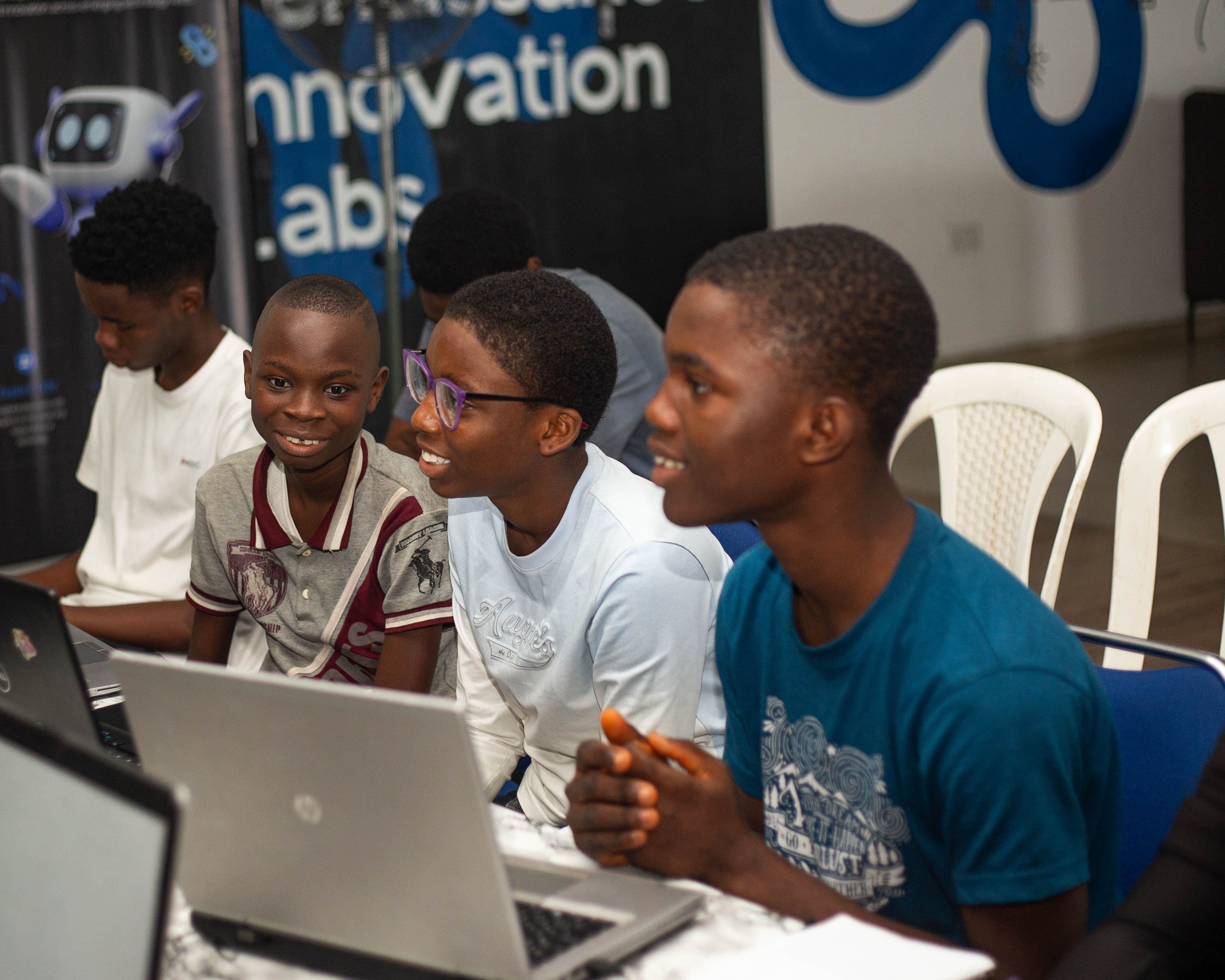
9. Celebrating the Builders
The August MIWS Hackathon was an opportunity for participants to move from ideas to execution. For Team 7, that process resulted in StockPilot AI, a product built around a familiar challenge faced by retailers and approached through AI, automation, and thoughtful product design.
Their project shows what can happen when builders start with a problem, explore how technology can address it, and build something that can be tested and improved.
Congratulations to Elijah Jehu, Marvelous Acheseinimie Ibiyeomie, Peniel Duma Green, Praise Akpan, and Obiora Ifeanyi, the winning team behind StockPilot AI.
Their work is a reminder that innovation does not always begin with a complicated idea.
Sometimes, it begins with a simple question: How can we make an everyday problem easier to solve?
Want to Build the Next One?
StockPilot AI started as one team’s answer to an everyday retail problem. The October Monthly Innovation Workshop is the next opportunity to do the same.
Adversarial AI: Break My Agent, Red Team Your AI System
This edition shifts focus to a different kind of building: breaking, defending, and securing AI systems. Under the challenge theme Break My Agent: Red Team, Defend, and Secure Your AI System, participants will explore how AI agents can be tested, attacked, and hardened against real-world vulnerabilities.
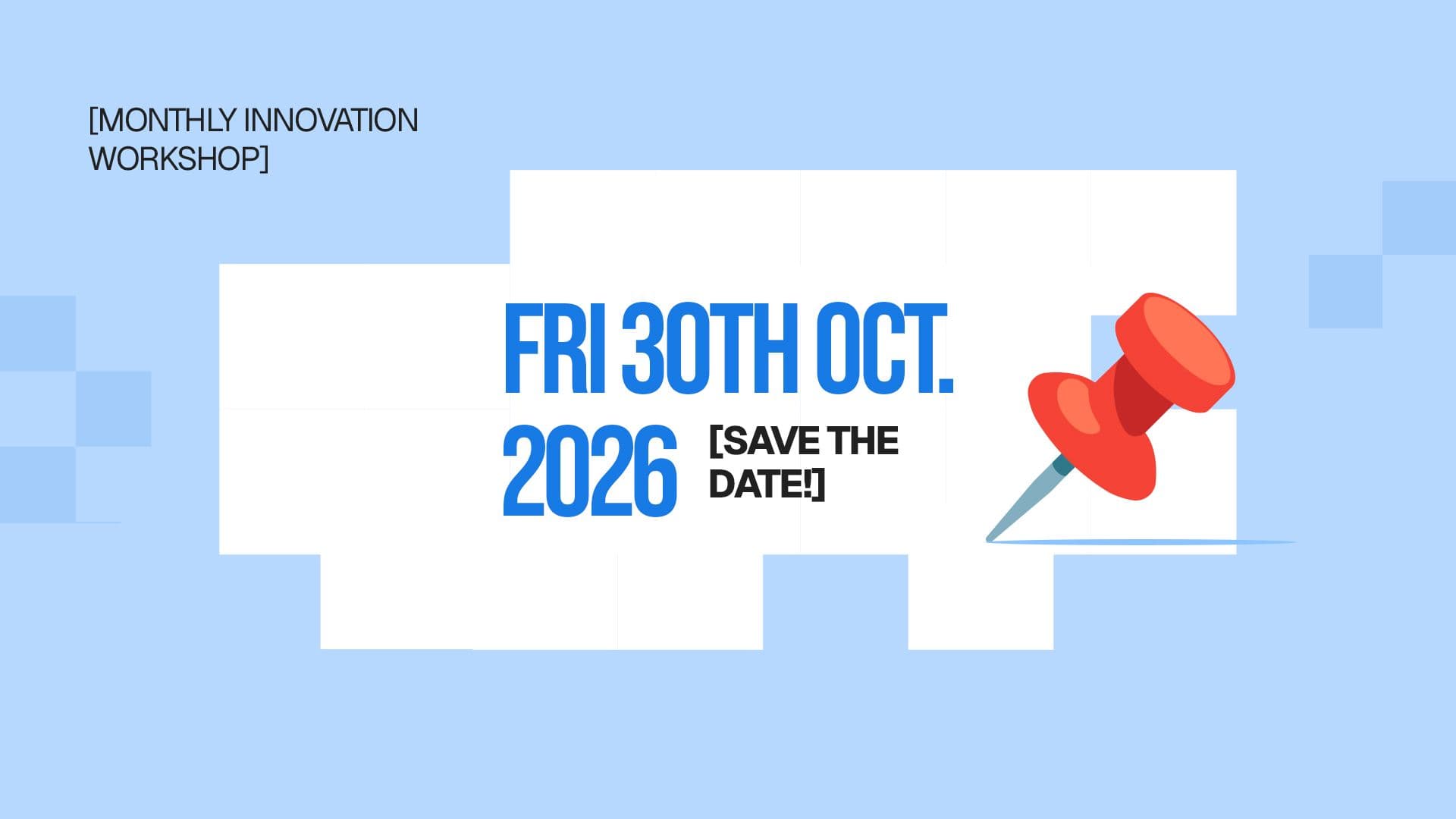
Register for October MIWS: https://tinyurl.com/MIWS-October