Code Is Cheap. Thinking Is Expensive. This Web3 Education Platform Was Built on That Difference.
Most Web3 education produces developers who can follow steps but cannot reason about what they are building. Great Adams and the team at LB Academy decided that was not good enough. This is their story.
Jun 29, 2026·5 min read
 5 min read
Code Is Cheap. Thinking Is Expensive. This Web3 Education Platform Was Built on That Difference.
The story of LB Academy, the Web3 education platform built inside the Let's Build DAO ecosystem that is rethinking what it means to be ready to build on the blockchain.
There is a particular kind of frustration that comes from finishing a Web3 tutorial and still having no idea what you actually built.
You followed every step. You copied the code, ran the commands, deployed the contract. The terminal confirmed it worked. But if someone asked you the next day to change the architecture, audit the logic, or explain why a specific gas decision was made, you would not know where to begin. In most areas of software development, that gap is manageable. In Web3, it is not.
Smart contracts are immutable. When code is deployed to a blockchain, it does not come with a patch update. A flaw is not a bug to be fixed in the next sprint. It is a permanent feature of the system, visible to everyone and exploitable by anyone with the patience to look. The Ronin Network breach cost over six hundred million dollars. The Poly Network attack matched that figure. The 2016 DAO exploit fractured the Ethereum community and split the network in two. In nearly every case, the vulnerability was not obscure. It was a reasoning failure, a decision made by someone who understood the syntax but had not thought carefully enough about the architecture.
Web3 education has known about this problem for years and has continued to teach the same way regardless. Copy the code, follow the tutorial, collect the certificate. The result is a generation of developers who can complete steps and cannot think through systems, which is precisely the wrong outcome in an environment where a single lapse in judgment is permanent and unforgiving.
LB Academy was built as a direct answer to that problem.
THE PLATFORM
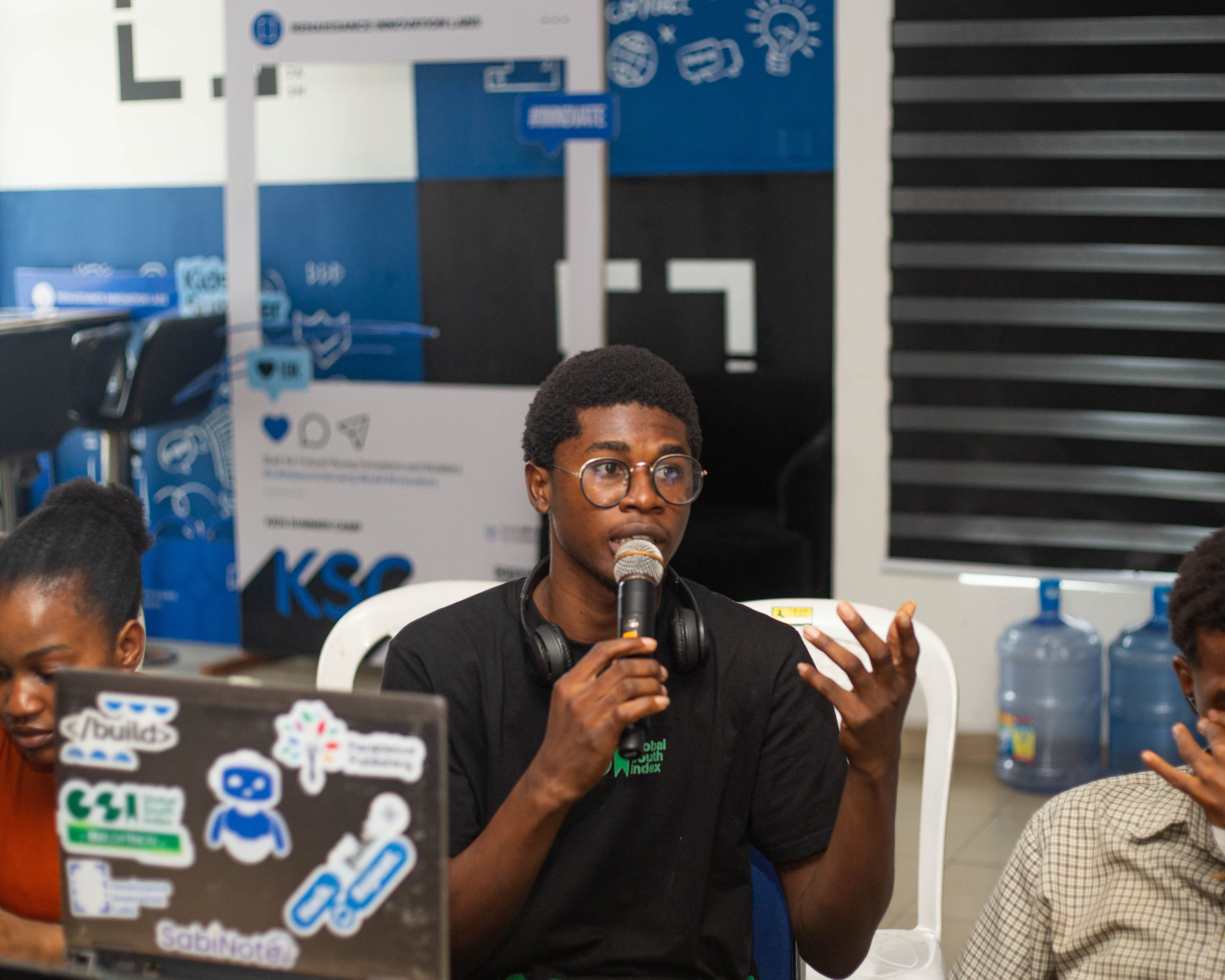
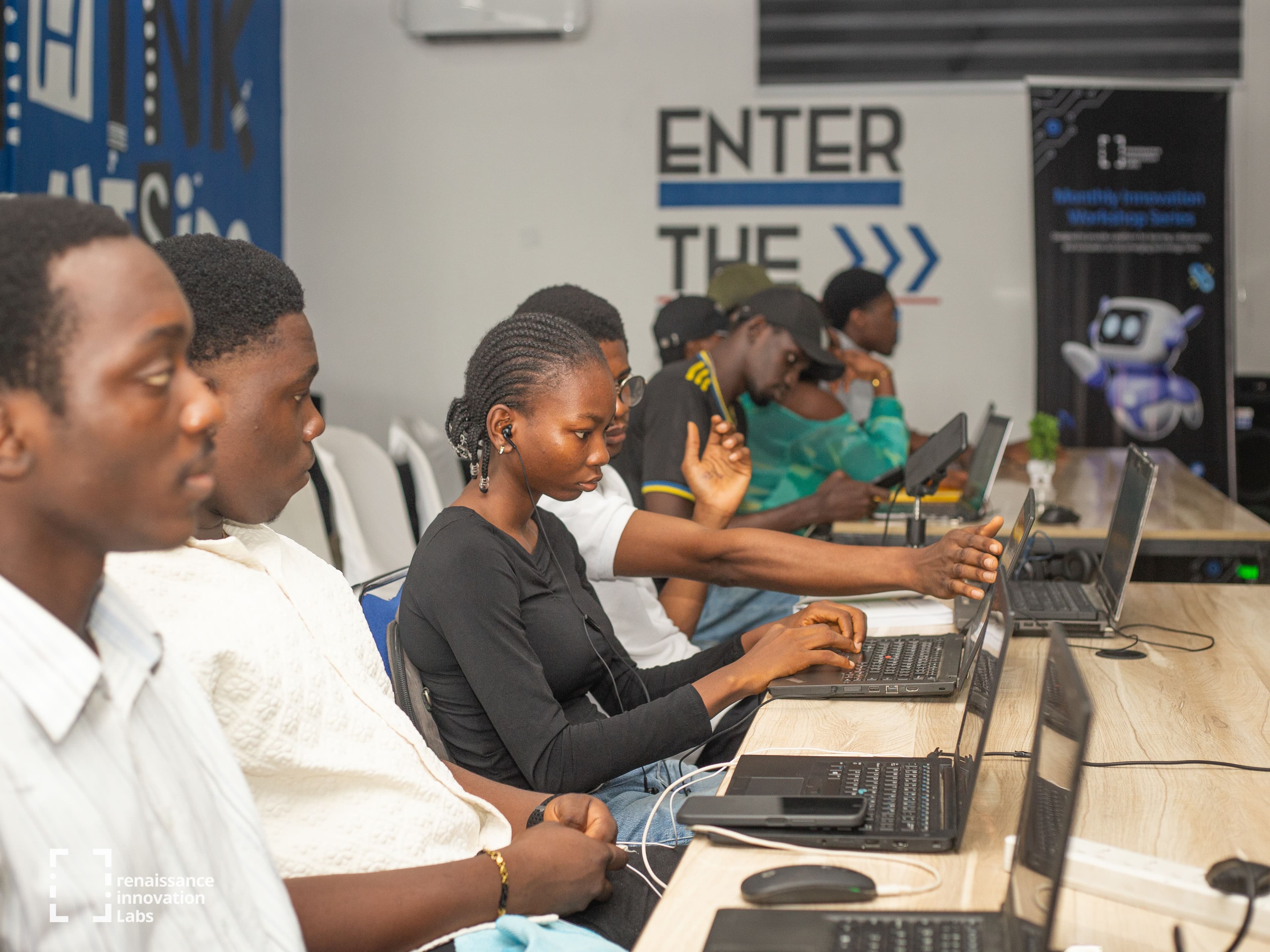
The platform exists inside the Let's Build DAO ecosystem, a community of more than ten thousand builders spread across Africa and across the world. It was built by a team that came together at the intersection of technical ambition and educational conviction, and it was developed within the broader network of innovators that Renaissance Innovation Labs has been cultivating in Port Harcourt.
RIL has always operated on the belief that talent is not the problem and that West Africa has never lacked brilliance. What it has lacked is infrastructure designed to sharpen that brilliance into something that can compete globally. LB Academy is that infrastructure, applied specifically to Web3.
The platform was designed around a single conviction that shapes every decision about how it works: code is cheap, and thinking is expensive.
THE ENGINE
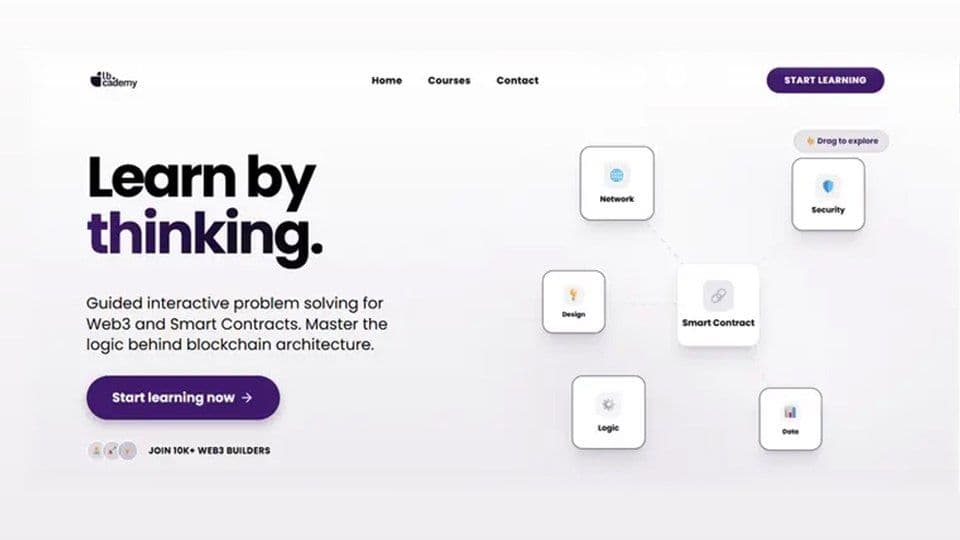
The engine behind LB Academy brings together two approaches that have not previously been combined in Web3 education.
The first is first-principles logic solving, which asks the learner to reason about how a system should behave before writing a single line of code.
The second is AI-assisted intent coding, which the team refers to as vibe coding, where a learner describes what they want a piece of code to do and the AI helps translate that intent into a working implementation. The pairing is intentional. First-principles thinking builds judgment. AI-assisted coding removes the early friction of syntax, so the learner can focus on reasoning about architecture before the details of implementation become a distraction.
The platform also ships with a zero-setup sandbox environment. A learner can open a browser and go from nothing to deploying working code without spending an afternoon installing dependencies or debugging a local environment. That single design decision removes one of the most consistent early dropout points in developer education, and particularly on the African continent, where setup friction and unreliable infrastructure create barriers that have nothing to do with how capable the learner actually is.

The team behind the product is led by Great Adams. Alabo Excel leads development, Natachi Nnamaka heads the educational programming, Richard handles design, Joseph Bassey manages the community layer, and Chisaneme Aloni drives marketing. The product is built on React.js and Node.js with Express on the backend, Firebase managing data infrastructure, and Google Gemini powering the AI features. The platform has reached its MVP release and is currently active.
WHY THIS MATTERS
Nigeria has one of the fastest-growing developer populations anywhere in the world. It is young, mobile-first, and oriented toward global opportunity. Web3, by design, is borderless. A developer in Port Harcourt building on Ethereum is operating in the same technical environment as a developer in Berlin or San Francisco. But to compete seriously in that environment, fluency in syntax is not sufficient. Judgment is required.
The ability to reason about security, evaluate architectural tradeoffs, and understand why a gas optimization matters at scale are not advanced skills reserved for senior engineers. They are the minimum standard for anyone who wants to build Web3 products that hold up.
This is precisely the kind of thinking that the RIL ecosystem was built to develop. Renaissance Innovation Labs has spent years creating programs, workshops, and communities designed to move young Nigerian builders from passive learners to active problem-solvers. LB Academy carries that same philosophy into Web3, a space that needs it more urgently than almost any other area of technology right now.
LB Academy is building for a generation of African developers that the existing Web3 education infrastructure consistently underserved. Not because those developers lacked capability, but because the tools available to them were not built with their context in mind.
The platform describes itself as a filter for Web3 education. What it is actually filtering for is not talent. Talent has never been the scarcity. What it is filtering for is thinking, and thinking, in Web3, is the only skill that genuinely cannot be copied and pasted.
This is part of The Builders, a series from Renaissance Innovation Labs profiling the founders, developers, and problem-solvers building the future from Port Harcourt, Nigeria.
Renaissance Innovation Labs | 19B Ada George Road, Port Harcourt | renaissancelabs.org