The Rise of the Solo Tech Founder: How One Person Now Builds What Used to Take a Team of Ten
It used to take a designer, two developers, a marketer, and a project manager to ship a product. Now, one person with the right AI tools can do all five roles alone. Here is how solo founders are rewriting the startup playbook.
Aug 10, 2026·4 min read
 4 min read
At around midnight in a quiet apartment in Port Harcourt, a 23 year old developer pushed the final update to an app he had built entirely by himself. Not just the code. The interface design, the onboarding copy, the marketing graphics, and the launch post that would go out on social media the next morning, all of it, done alone, over the course of about six weeks.
Two years earlier, this same project would have needed a small team. A designer to mock up the screens. A copywriter to handle the onboarding text. A second developer to help hit the deadline. A marketer to plan the launch. Today, one person did all five jobs, not because he suddenly became five times more skilled, but because the tools around him changed completely.
The Old Cost of Building Something
For most of the last two decades, building a real tech product meant assembling a team almost by default. Writing clean, functioning code took real engineering time. Good design needed a trained eye and hours of iteration. Marketing copy that actually converted needed someone who understood persuasion, not just grammar. Each of these was its own specialty, and stitching them together usually meant hiring, which meant funding, which meant most solo builders simply could not compete with funded teams.
That cost structure is exactly what kept the barrier to entry high for years. A brilliant idea with no team and no capital rarely made it past the idea stage, no matter how good it was.
What Changed
AI tools did not just make individual tasks faster, they collapsed entire roles into a single workflow one person can run alone. Code that once took a developer days to write can now be scaffolded in an afternoon with an AI coding assistant, leaving the human to focus on the harder architectural decisions instead of repetitive syntax. Interface design that once required a dedicated designer can now be roughed out and refined using AI powered design tools, producing something clean enough to ship without a design team. Marketing copy, once the sole domain of a copywriter, can be drafted, tested, and refined in minutes using the same AI models that used to only write emails.
None of these tools do the whole job perfectly on their own. What they do is remove the floor. A solo founder no longer needs to be excellent at five different disciplines to ship something professional. They need to be good enough at directing AI tools across all five, and skilled enough at the one or two things that actually differentiate their product.
Why This Matters for African Builders Specifically
This shift matters more in markets like Nigeria than almost anywhere else, because access to funding and full teams has historically been harder to come by. A founder in Lagos or Port Harcourt without venture backing used to face a much steeper climb than a funded founder in Silicon Valley building the same idea. AI tools narrow that gap significantly. A solo developer with a laptop, an internet connection, and the discipline to learn a handful of AI tools can now compete on execution speed with teams that would have cost tens of thousands of dollars to assemble two years ago.
It also changes who gets to try. Building a startup used to require either capital or a network of collaborators willing to work for equity. Now, the primary requirement is time and curiosity, both of which are far more evenly distributed than funding ever was.
The Trade-Off Nobody Talks About Enough
Solo founders building this way are not without real limitations. Working alone means no one to catch a blind spot, no second opinion in the room when a decision gets made at midnight, and a ceiling on how much can physically get built by one person in a day no matter how good their tools are. The founders who succeed with this model tend to be disciplined about seeking outside feedback deliberately, since they do not get it automatically the way a team does.
There is also a quieter risk in moving this fast alone. It becomes easy to ship a lot without stopping to ask whether any of it is actually solving a real problem for real users. Speed without direction just produces more things faster, not necessarily better things.
A New Kind of Builder
What is emerging is a different kind of tech founder altogether, less a specialist in one discipline and more a generalist orchestrator, someone who understands enough about design, code, and marketing to direct AI tools across all three, while staying sharply focused on the one thing that actually matters, whether their product solves a real problem for the people using it.
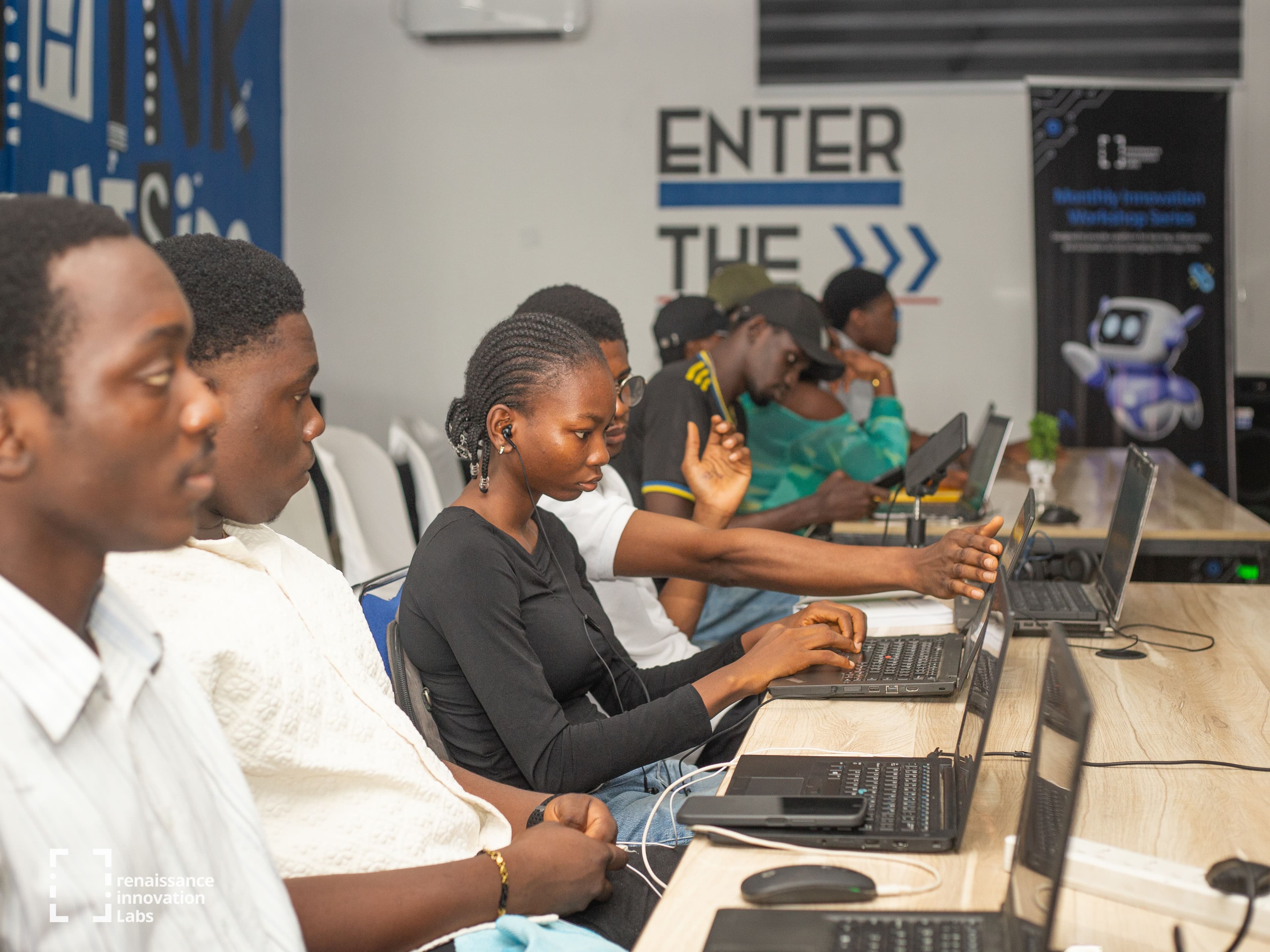
It is exactly the kind of builder Renaissance Innovation Labs sees more of every month, young developers walking into the space with an idea and a laptop, and walking out weeks later with something real, built almost entirely on their own.